
Tsuen Wan's History and Geography: Evaluating Feng Shui Pros and Cons through Dragon Veins and Water Flow
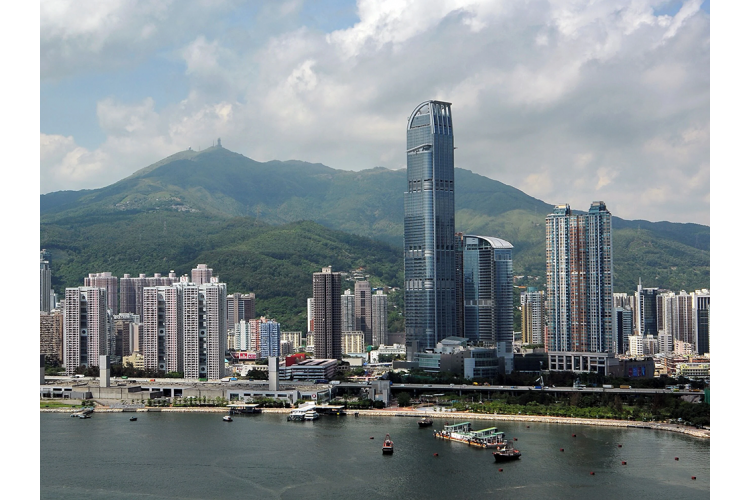
Tsuen Wan, this core area located in the southwestern part of the New Territories, has transformed from the once desolate "Thief Bay" into today's "City in the Sky" bustling with commerce. Its unique geographical environment, backed by Hong Kong's highest peak, Tai Mo Shan, and facing the Rambler Channel, creates a distinct landscape. From the perspective of Feng Shui and geomorphology, the prosperity of Tsuen Wan is closely related to the layout of its Dragon Veins and incoming water. This article will take you deep into an analysis of the Feng Shui pros and cons of Tsuen Wan to see how this land gathers wind and energy (Qi).
I. Historical Background: From "Thief Bay" to Satellite City
Tsuen Wan was anciently known as "Chin Wan" (Shallow Bay), named for the shallow waters of the bay. However, in historical records, it was once called "Thief Bay" because of the rampant piracy in the early years. At the end of the Southern Song Dynasty, Emperor Duanzong fled to this area; a high-ranking official surnamed Cao accidentally drowned in a pool while crossing, which is the origin of the name Cao Kung Tam. Early Hakka immigrants reclaimed the land and established ancient villages such as Lo Wai and Sam Tung Uk.
In the past, there was a popular proverb: "Go to Gold Mountain (San Francisco) to prosper, come to Tsuen Wan to die," reflecting the difficult years when malaria was prevalent and the water source was contaminated by toxic Gelsemium elegans (strychnine). It was not until the 1960s that the government developed it as the first satellite city in the New Territories. Large-scale land reclamation straightened the coastline, connecting areas like Chai Wan Kok with the city center, laying the foundation for today's prosperity.
II. Spiritual Knotting: Tai Mo Shan Dragon Veins and Lo Wai's Tranquil Layout
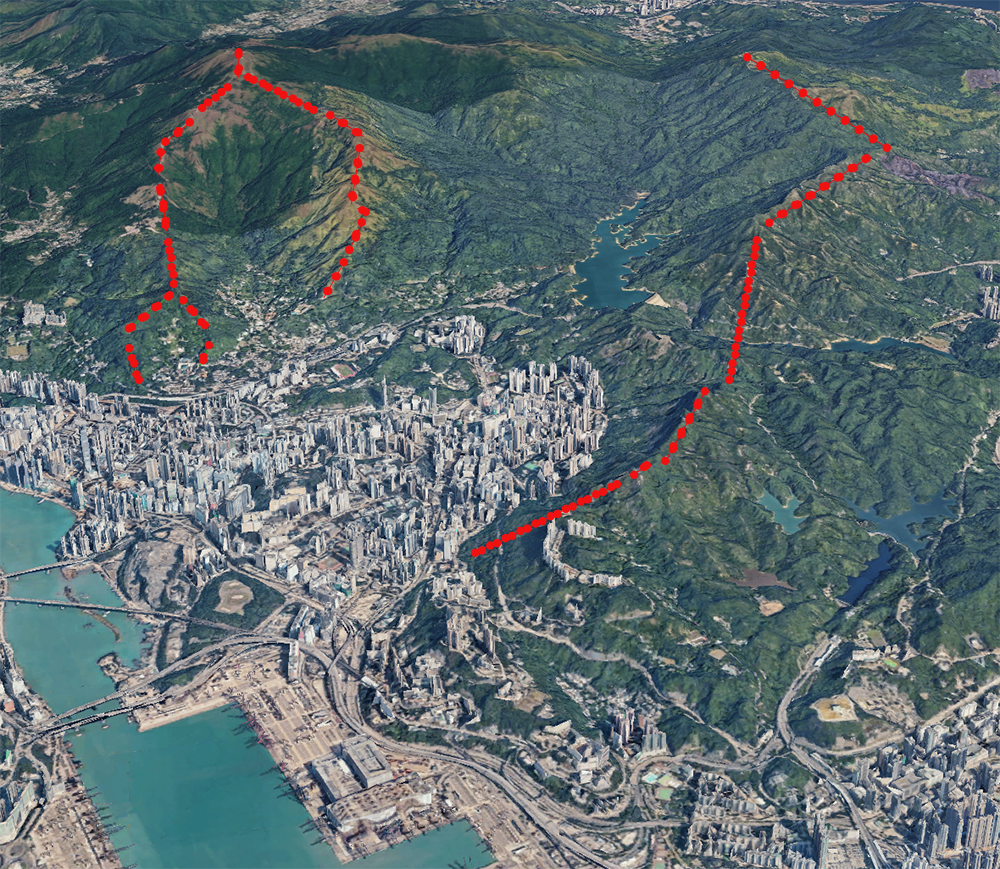
The grand Feng Shui layout of Tsuen Wan is primarily supported by its powerful rear Dragon Vein:
- Dragon Vein Embrace: The Dragon Vein extends down from Tai Mo Shan and Needle Hill to Kam Shan. The two branch veins on the left and right act like arms, tightly embracing Tsuen Wan and Kwai Chung, forming a natural protective barrier.
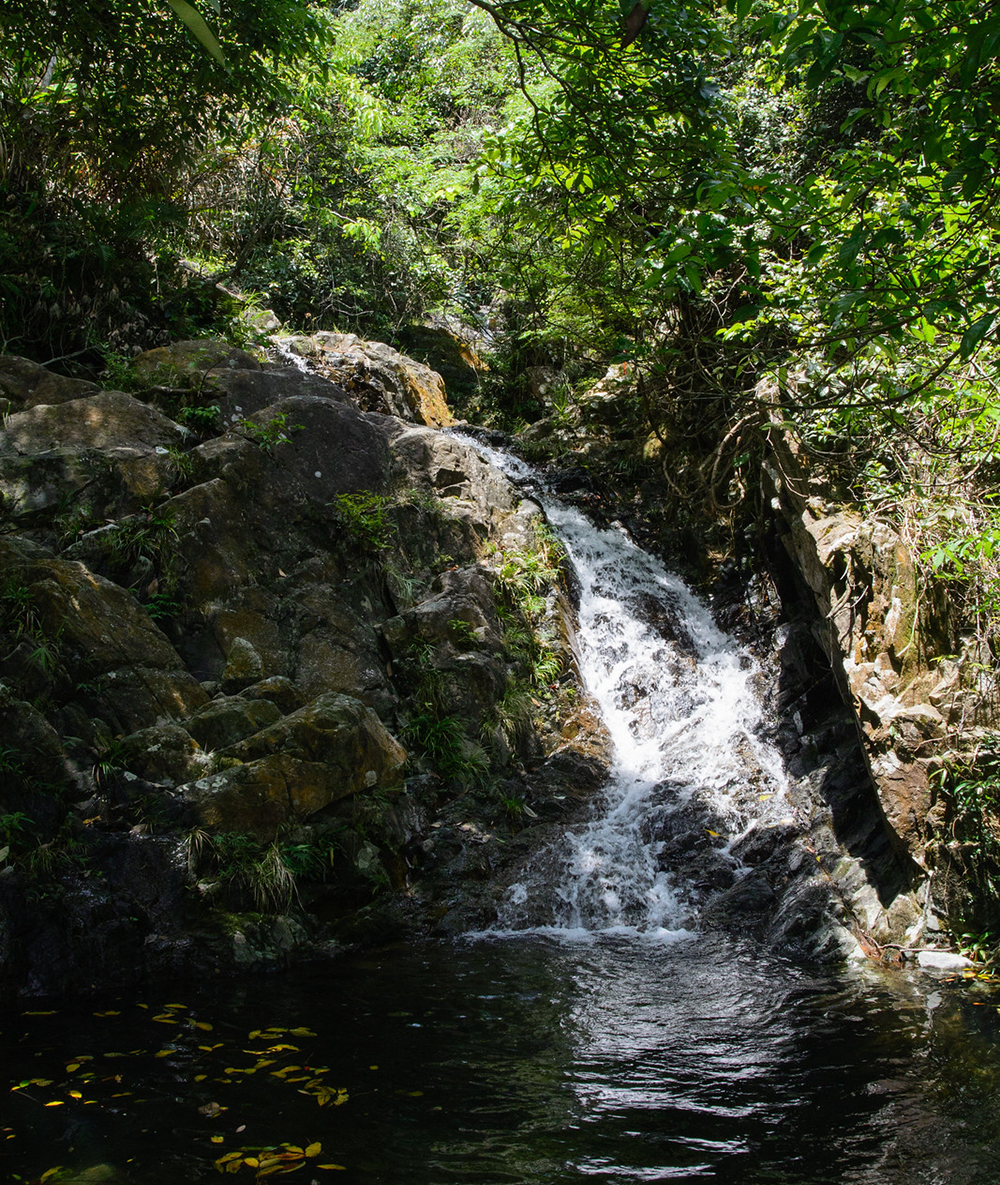
- Water Dragon Convergence: Complementing the Dragon Vein is the "Water Dragon." The Tai Yuen Stream, originating from Tai Mo Shan (its water source created the famous Sam Dip Tam), flows down and intertwines with the flow of the Shing Mun Catchwater, surrounding the Lo Wai area.
- The Knotting Site: The Lo Wai area, centered around the Yuen Yuen Institute, is situated exactly at the "knotting" point of the Dragon Vein. This area is tranquil and gathers spiritual energy, which is why many Buddhist and Taoist temples, such as the Tung Po Tor Monastery, have settled here, making it a recognized sanctuary for religious practice in Hong Kong.
III. Prosperous Downtown: Mountain Embrace and Tsing Yi's "Table Hill"
Observing from satellite images, the flat land layout of Tsuen Wan's city center is spectacular. The branches of Tai Mo Shan's Dragon Vein embrace it from both sides, with the Kam Shan branch providing a "worshipping" posture from afar. More brilliantly, the Tsuen Wan waterfront faces Tsing Yi Island, which plays the role of an "An Shan" (Table Hill) in Feng Shui.
"The incoming water flows from the Pearl River and Lantau into the Rambler Channel, connecting with the Dragon Veins. Tsing Yi Island in front acts like a desk (An Shan), creating an open and magnificent momentum that governs the influx of wealth and a solid foundation."
This mountain-and-water embrace explains why Tsuen Wan was able to successfully transform from a traditional industrial center into a shopping hub filled with large malls. The vast pedestrian bridge network connects over 20 shopping malls, allowing the flow of people (which represents wealth energy) to circulate continuously indoors, creating a "treasure bowl" effect.
IV. Feng Shui Defects: Strong White Tiger and Sharp Water Turns
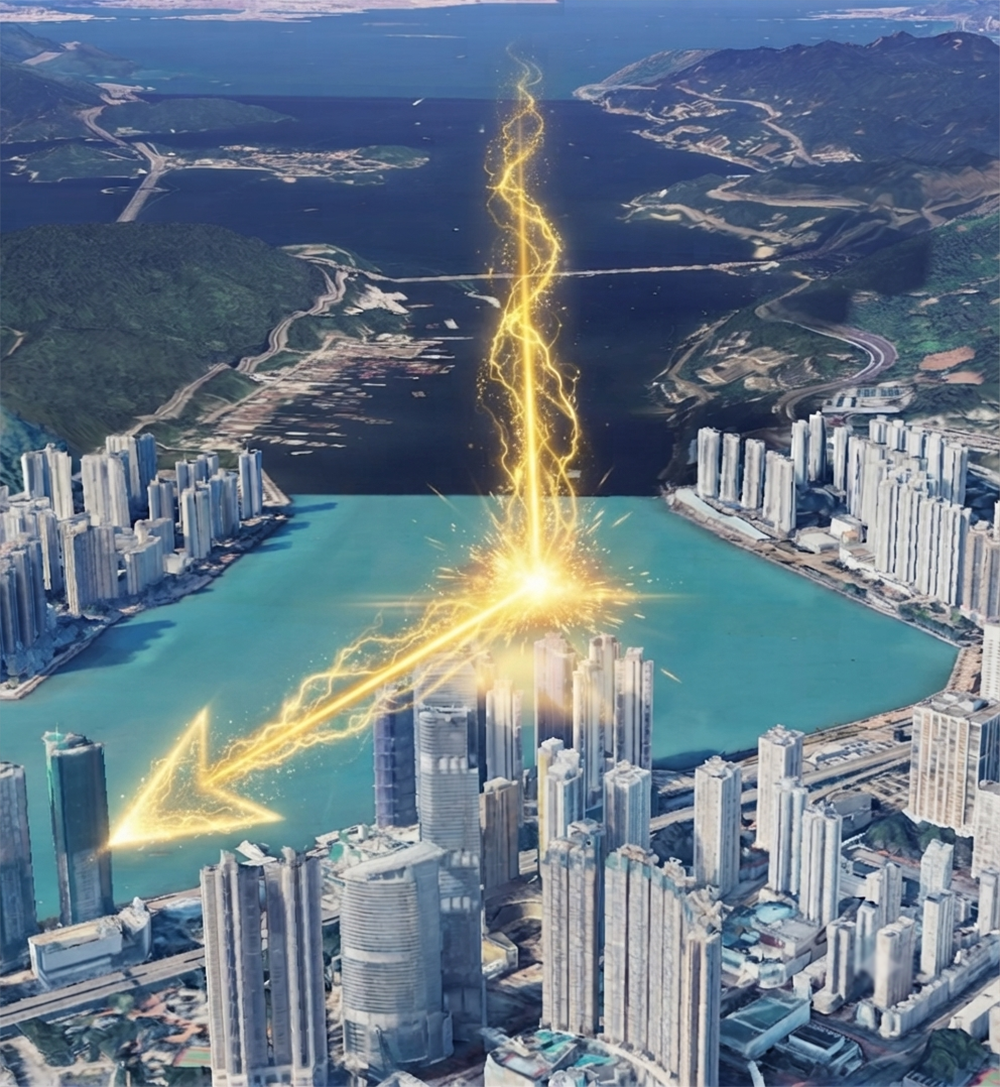
However, even the best Feng Shui inevitably has defects. The geomorphology of Tsuen Wan presents two major concerns:
- Strong Tiger and Weak Dragon (White Tiger Protrusion): According to core Feng Shui principles, "the Green Dragon should be active and long, while the White Tiger should be quiet and short". From the landscape, the White Tiger side of Tai Mo Shan's branch extending toward the city centre is significantly longer and stronger than the Green Dragon side toward Lo Wai. Traditionally, "White Tiger Lifting its Head" is prone to causing disputes, gossip, and even bringing pressure or harassment from "hidden enemies," affecting the harmony of the area.
- Turbulent Water Dragon and Sharp Turns: This is particularly evident near Tsuen Wan West Station and the Ocean Pride residential area. Due to the obstruction of Tsing Yi Island, the Rambler Channel forms a narrow waterway, causing the water flow to become turbulent. When the incoming water reaches the waterfront, it makes a sharp turn and rushes toward Central. Feng Shui believes that "rapid water disperses energy (Qi)," and areas with fast-flowing water and sharp turns have difficulty gathering wealth and may even cause instability in households. Furthermore, the early issues with odors at the waterfront also reflected the phenomenon of stagnant local energy.
V. Summary: "City in the Sky" with Spiritual Land and Talented People
In summary, Tsuen Wan's Feng Shui benefits from the shade of the Tai Mo Shan Dragon Vein. The Lo Wai area gathers wind and energy, while the city center enjoys the benefits of Tsing Yi's "Table Hill," making the area as a whole prosperous and bustling. Although there are flaws such as an overly long White Tiger and rapid waterfront currents, these geographical shortcomings are being gradually improved through modern urban planning and waterfront optimization projects. For residents or investors, choosing blocks that "face the water with a mountain behind" where the water flow is gentle will better allow them to receive the blessings brought by the Tai Mo Shan Dragon Vein.
Want to know more about Tsuen Wan Real Estate and Feng Shui?
Whether you are looking for a tranquil residence in Lo Wai or a modern sea-view apartment in Ocean Pride, we provide you with the most professional analysis.
- ✦ Professional Feng Shui Site Inspection
- ✦ Latest Property Trends in Tsuen Wan District
- ✦ Resolution of Feng Shui Negative Energies (Sha Qi)
Leave a Comment