
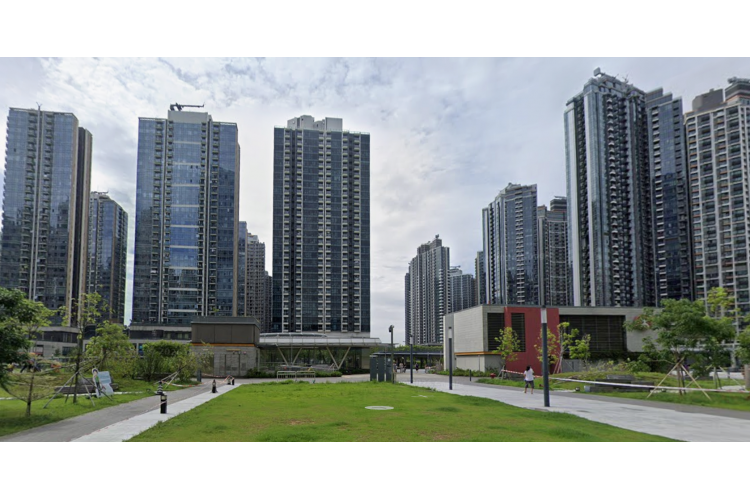
Once the world's most thrilling airport runway, Kai Tak in Kowloon Bay has transformed into one of Hong Kong's most ambitious urban renewal projects. From 1925 to 1998, this legendary site welcomed millions of travelers landing dramatically between skyscrapers and mountains. After the airport relocated to Chek Lap Kok, the 320+ hectare site became prime real estate for housing, sports facilities, cruise terminals, and commercial hubs.
Today Kai Tak features the Kai Tak Sports Park (opened 2025 with a 50,000-seat stadium), luxury residential towers like Oasis Kai Tak and One Kai Tak, the Kai Tak Cruise Terminal, and extensive public parks along the former runway. Let's explore its development phases and Hong Kong Feng Shui implications.
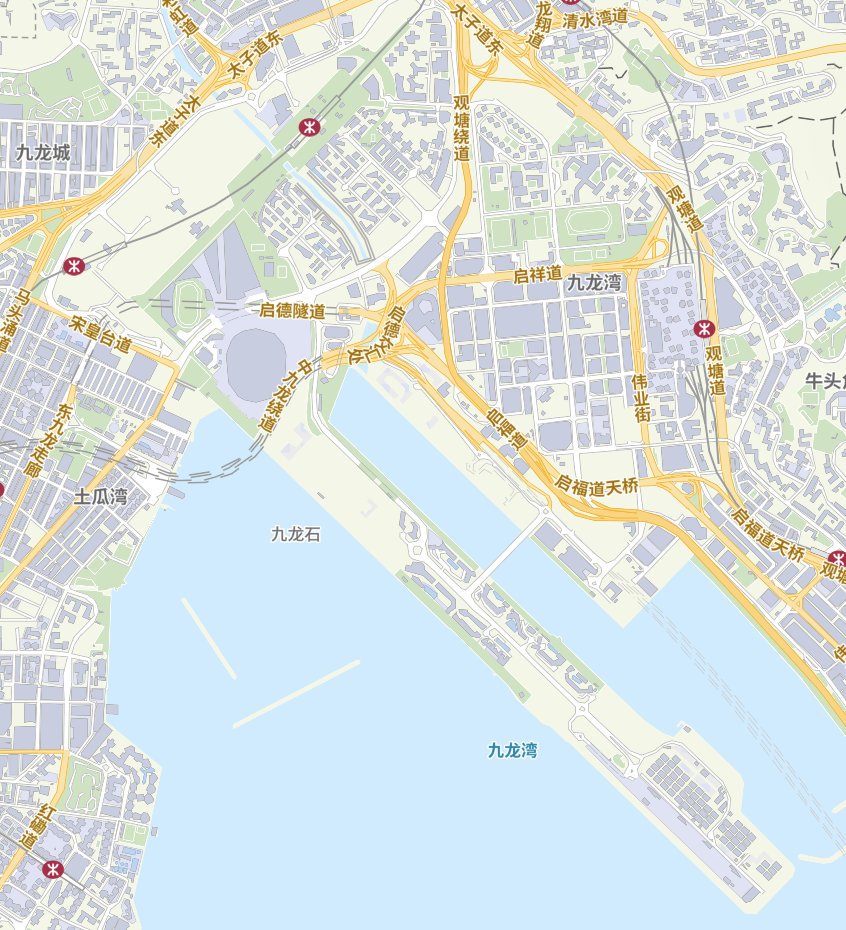
From Runway to Residential: Kai Tak's Development Journey
Named after businessmen Ho Kai and Au Tak who reclaimed the land in 1912, Kai Tak evolved from a failed residential project into Hong Kong's main airport for 73 years. Post-1998 closure, planning began for a "City within a City" spanning residential towers, commercial space, and public amenities for 260,000+ residents.
However, Kai Tak's redevelopment wasn't smooth during Period 8 (2004-2023). After the airport closed in 1998, the site lay almost deserted for 15 years amid planning delays, judicial reviews over harbour reclamation, and shifting government priorities. Only approaching the end of Period 8—with the plan to extend the MTR to Kai Tak Station—did the land finally attract serious interest from property developers. This timeline perfectly validates feng shui principles: as Period 8 earth energy waned, prosperous Period 9 fire Qi began flowing toward the Northeast. Kai Tak's location at Kowloon's Northeast quadrant proves this cosmic shift in action.
Key milestones now include the Kai Tak Cruise Terminal (2013), Kai Tak Runway Park, public housing like Kai Ching Estate, and private luxury developments. The 2025-opened Kai Tak Sports Park anchors the area as Hong Kong's premier sports and entertainment venue.
Feng Shui Analysis: Two Key Development Zones
Master Feng Ip identifies two primary residential zones in Kai Tak: the MTR Kai Tak Station area (Northeast) and the long runway strip along the waterfront. During Period 9 (2024-2043), positive energy flows strongly toward the Northeast—the classical "Prosperity Direction."
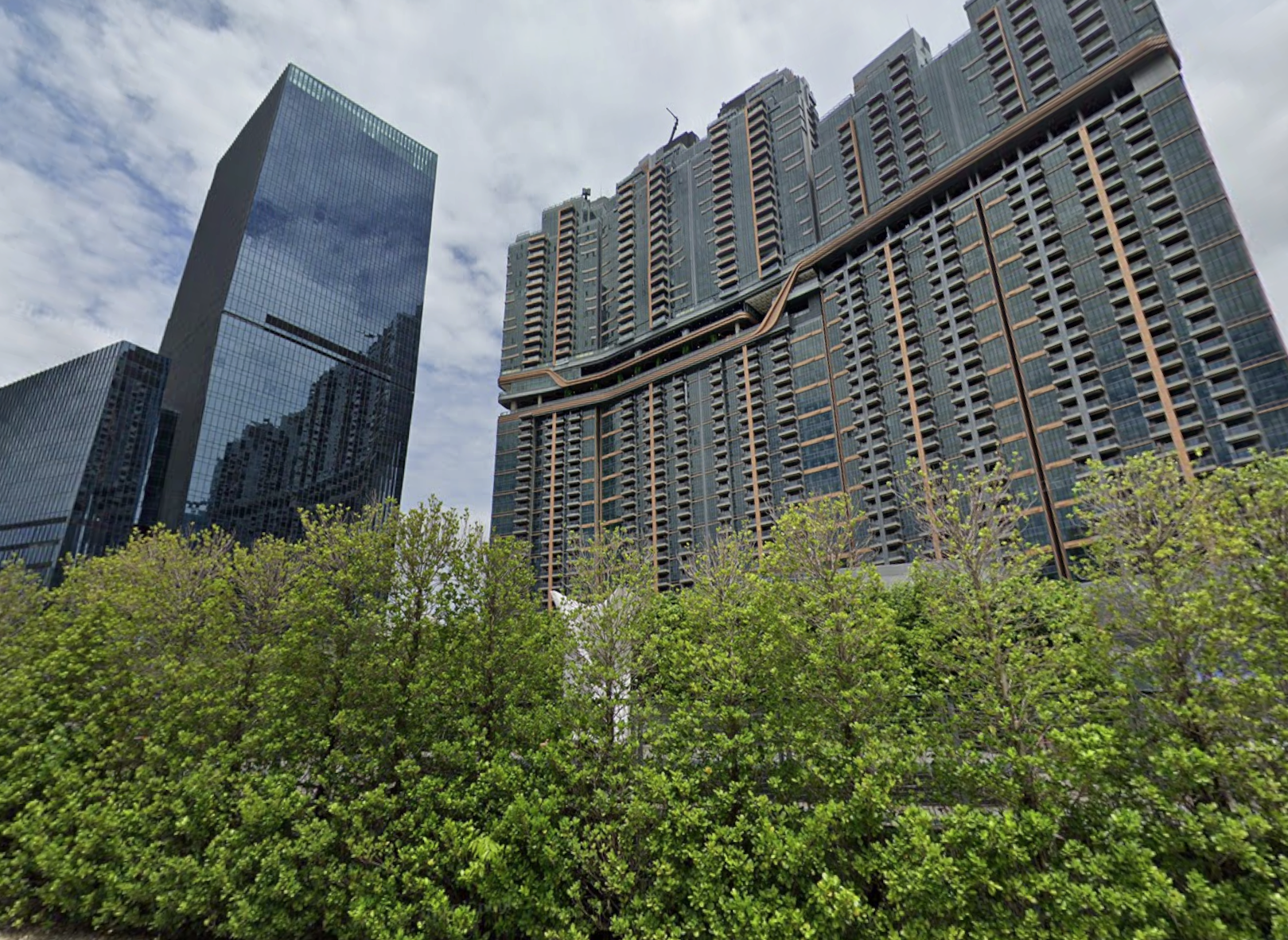
Period 9 Winner: MTR Kai Tak Station Area
The developments near MTR Kai Tak Station sit perfectly in Kai Tak's Northeast sector, aligning with Period 9's fire element energy flowing from this direction. Hong Kong Feng Shui favors properties here for wealth accumulation and family harmony as they receive the mountain backing from To Kwa Wan hills while enjoying steady urban Qi circulation.
Master Feng Ip recommends prioritizing units with Northeast-facing master bedrooms and living areas to capture maximum prosperity Qi during this 20-year cycle.
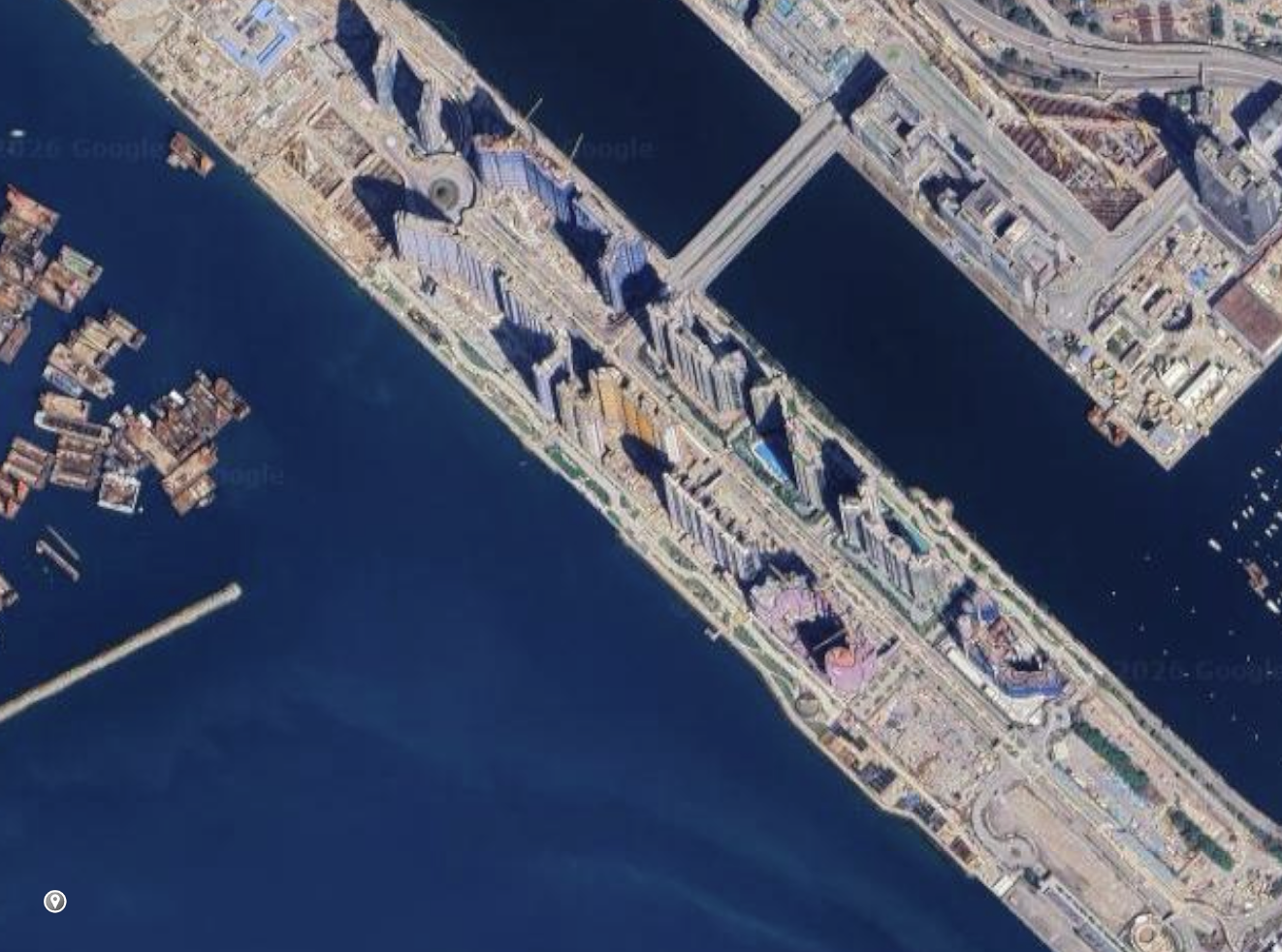
Runway Strip: Stunning Views, Feng Shui Risk
The former runway area offers spectacular Victoria Harbour views but carries feng shui concerns. Being directly waterfront-adjacent with minimal mountain backing exposes properties to "Sha Qi" from open water. The 2025 typhoon that destroyed several runway-tip restaurants underscores this vulnerability—water energy becomes aggressive during storms.
While harbour views attract buyers, Master Feng Ip cautions that long-term stability favors the inland Northeast developments over seaside "show flats."
Buying in Kai Tak? Get Professional Feng Shui Guidance
Whether choosing Kai Tak's Northeast prosperity zone or evaluating runway properties, Hong Kong Feng Shui analysis reveals hidden value beyond price per square foot.
- ✅ Northeast orientation captures Period 9 prosperity energy
- ✅ MTR station proximity ensures steady urban Qi flow
- ✅ Avoid excessive waterfront exposure lacking mountain support
- ✅ Professional analysis maximizes long-term harmony and value
Planning to invest in Kai Tak or any Hong Kong property?
Master Feng Ip offers comprehensive online feng shui consultations
to ensure your investment aligns with cosmic timing and classical principles.
Leave a Comment