
Agarwood Bracelet Guide | Benefits, History & Properties
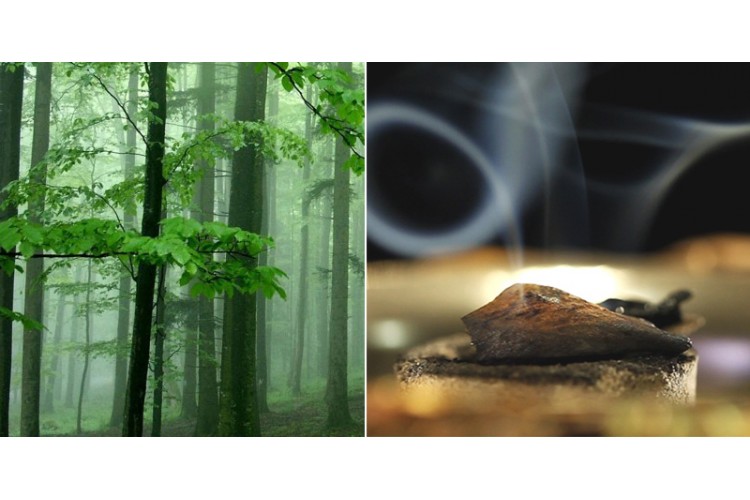
Agarwood Bracelets – Meaning, Benefits & Sacred Origins
Agarwood bracelets (also called oud or aloeswood bracelets) are cherished spiritual accessories made from one of the most precious woods on earth. Worn on the wrist, an agarwood bracelet combines natural fragrance, cultural heritage and subtle energy to support calmness, grounding and mindful living.
Before choosing an agarwood bracelet, it helps to understand what agarwood is, how it forms in nature, and why it has been revered for centuries in incense, medicine and perfume.
What Is Agarwood?
Agarwood is often described as the most expensive wood in the world. It is the dark, resinous, fragrant heartwood produced primarily by trees in the genus Aquilaria. Over time, this precious resin has acquired many names: agarwood, aloeswood, eaglewood, gaharu, agalocha and oudh.
Botanically, agarwood is a resinous heartwood that occurs in trees belonging to the genera Aquilaria, Aetoxylon (such as A. symeatalum) and Gonystylus in the Thymelaeaceae family. Species of the genus Aquilaria are best known for producing agarwood; they are fast‑growing, evergreen trees found throughout South and Southeast Asia.

How Agarwood Forms in Nature
Agarwood or oudh forms as a reaction to fungal or bacterial attack. When a tree is occasionally infected by a parasite or mould, it secretes a fragrant, protective oil into the wounded areas — roots, branches or sections of the trunk. These oil‑soaked zones gradually harden and turn dark brown to almost black, becoming the prized resinous heartwood.
Before infection, the heartwood (the central, typically darker part of the tree compared to the sapwood) is relatively light and pale. Harvesters usually cut only the infected, resinous parts in the hope that the tree will continue to produce more agarwood over time.
Where Agarwood Trees Grow
Aquilaria species that produce agarwood occur naturally across South and Southeast Asia. For many centuries, the Indian sub‑continent was the main source of agarwood. As trees became scarce in the mid‑twentieth century, extraction spread more intensively to Indochina, and later to Indonesia and Malaysia.
Today, agarwood plantations exist in several countries, including Bangladesh, Bhutan, India, Laos, Myanmar, Papua New Guinea, Thailand and Vietnam. The trees can grow on a wide range of soils, including poor, sandy ground. Seedlings of most species establish best in shady, moist conditions, though mature trees can become emergent in the forest canopy and tolerate full sun.
Some species even thrive on steep, rocky, exposed slopes and in regions with a hot, dry season. Depending on the species and growing conditions, agarwood trees reach heights of around 6–20 metres.
The leaves are alternate, 5–11 cm long and 2–4 cm broad, with a short acuminate tip and entire margins. Their yellowish‑green flowers are produced in umbels, and the fruit is a woody capsule about 2.5–3 cm long. At least fifteen known species of Aquilaria are capable of producing agarwood.
Traditional Uses of Agarwood
Agarwood has been used for centuries to make high‑quality incense. The Chinese describe its aroma as “a sweet, deep but balanced fragrance” and burn it in religious and festive ceremonies. Arabian, Indian and Japanese cultures likewise value agarwood incense for ritual, meditation and celebration.
Agarwood is also found in many traditional pharmacopoeias dating back to medieval times. In Chinese medicine, it has been prescribed for ailments such as colds and digestive problems. In many Arabian countries, oil extracted from agarwood is highly prized and worn as a luxury perfume.
Why Choose an Agarwood Bracelet?
When carved into beads and worn as a bracelet, agarwood becomes both a natural perfume and a subtle wellness accessory. The gentle fragrance that develops with body warmth can promote relaxation, focus and a sense of inner peace throughout the day.
In many traditions, agarwood bracelets are believed to:
- Support calmness and stress relief through their warm, grounding scent.
- Act as a reminder of spiritual practice, mindfulness and gratitude.
- Symbolize protection, good fortune and refined taste.
- Connect the wearer to the long history of agarwood in incense, medicine and sacred rituals.
Whether you are drawn to an agarwood bracelet for its aroma, its cultural and spiritual meaning, or its natural beauty, it is a timeless piece of jewelry that carries the story of an ancient, living tree on your wrist.
Leave a Comment