
A Life of Feng Shui - Interview with Master Feng Ip
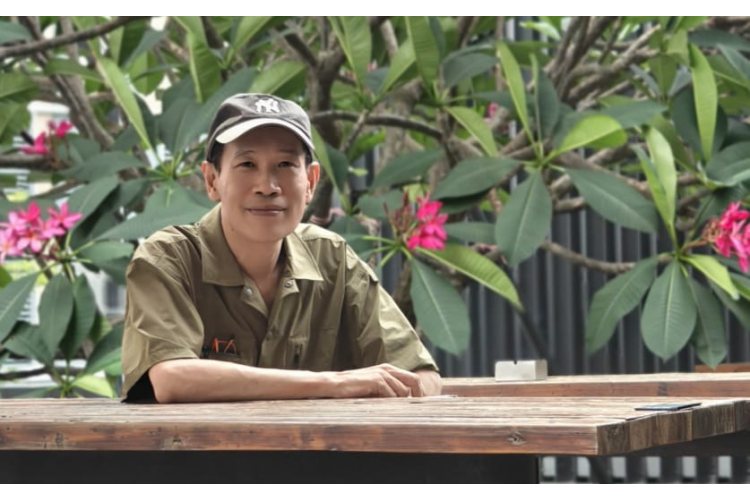
Master Feng Ip · Modern Feng Shui Thinker & Practitioner
Committed to professionalism and integrity, practicing ancient Feng Shui wisdom with a modern vision
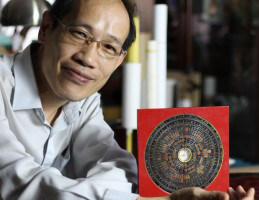
"If you want to be commercial, you need to keep it simple…I refuse to keep it simple," Mr. Ip says about his approach to Feng Shui. "There are many 'masters' who are good talkers and persuaders but nothing more. That's not the Feng Shui philosophy I wish to promote."
Mr. Ip shares his inner conflict when considering how to charge for his services: charging too little would compromise his expertise, while charging too much would challenge his integrity. So he doesn't charge clients he meets through personal referrals at all — they receive exactly what they need, and most are wealthy Hong Kongers who understand the true value of good Feng Shui.
"Of course I could easily walk into a client's home or office with the Luo Pan in my hand, speak some magic words, make a diagnosis and hand over the bill…but I would not be true to myself," he summarizes calmly.
An Eventful Life · Always Connected to Feng Shui
Looking back on his colorful life filled with many transitions, Mr. Ip says he has always remained deeply connected to his passion for Feng Shui. Born and raised in Hong Kong, he developed a strong fascination for the Yi Jing as a teenager and studied it avidly. At age 18, he went to Taiwan to study Chinese Language and Literature, then continued to London to deepen his studies in Chinese Philosophy.
During his time in the UK, he pursued other interests while serving as an informal ambassador of Chinese thought and culture to Western communities. In 1989, he established the "I Ching Service Center" to promote the Book of Changes, Astrology, and Feng Shui. During his five years in real estate, his Feng Shui knowledge became a practical asset, advising Hong Kong clients on the Feng Shui of their future property purchases.
After twelve years in the UK, he returned to Hong Kong and eventually settled in Macao. There, while securing his livelihood, he once again found the time and freedom to pursue his interests systematically through teaching and practicing Feng Shui.
He distinguishes between "what he does for a living" and "what he lives for," finding his greatest professional fulfillment as an instructor and lecturer on Feng Shui, Daoist divination rituals, and Ba Zi. He has held numerous seminars and classes, and many of his early students are now practicing independently.
The Teacher's Role · Lifelong Learning & Sharing
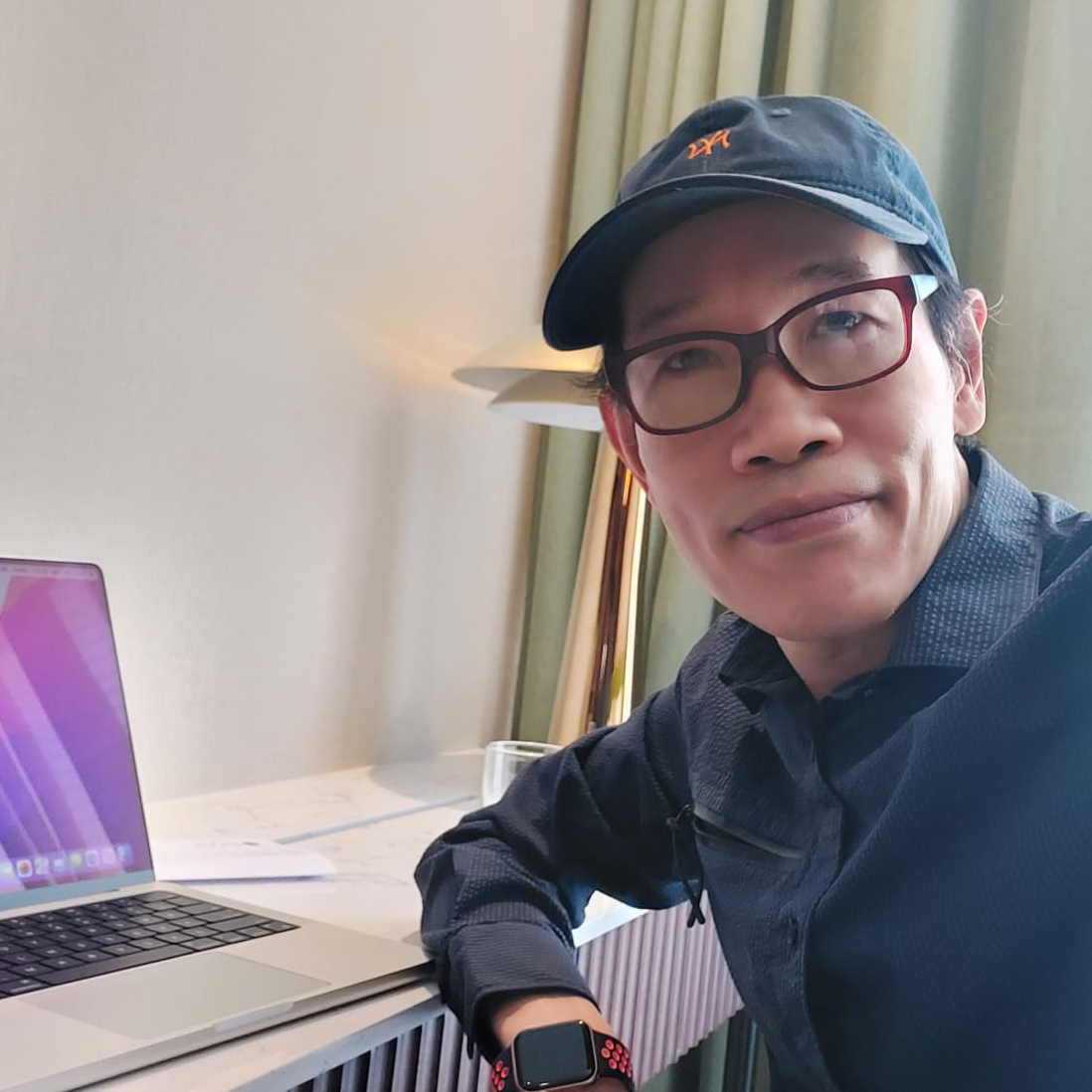
When speaking about Feng Shui, Mr. Ip becomes animated and passionate, easily talking about it for an entire day without stopping. He admits that his favorite and proudest role is that of a teacher. "One day, I will write a book about everything I've learned," he muses thoughtfully, "...when the time is right."
Ancient Art, Modern Methods
Mr. Ip has developed his own unique approach to Feng Shui: just as modern Feng Shui integrates different schools, he fuses traditional Feng Shui with modern science and technology. He primarily follows the Flying Star school, using the Luo Pan compass and 9 Stars chart for calculations, but goes further by incorporating additional variables to enhance accuracy in contemporary environments.
"Just as the Yi Jing teaches, the world changes every day. We cannot apply classical Feng Shui unchanged to modern settings…if Feng Shui remains static while everything else evolves, it becomes mere theory," he explains. "My approach is to modernize Feng Shui using technology and scientific knowledge, making it practical for today while preserving its original spirit."
He contrasts traditional Chinese architecture with modern multi-story buildings: "Traditional Chinese homes had simple layouts where the center aligned directly with the entrance door, making Lo Shu application straightforward with the door as the main energy reference point."
"But modern apartments have complex layouts where the main door isn't always the best reference. While the door location remains important in Feng Shui, it may not be the strongest Qi flow area. So I adjust the chart based on actual conditions—for example, using a large window with good natural light and views as the primary reference to better reflect the real energy flow."
Leave a Comment