
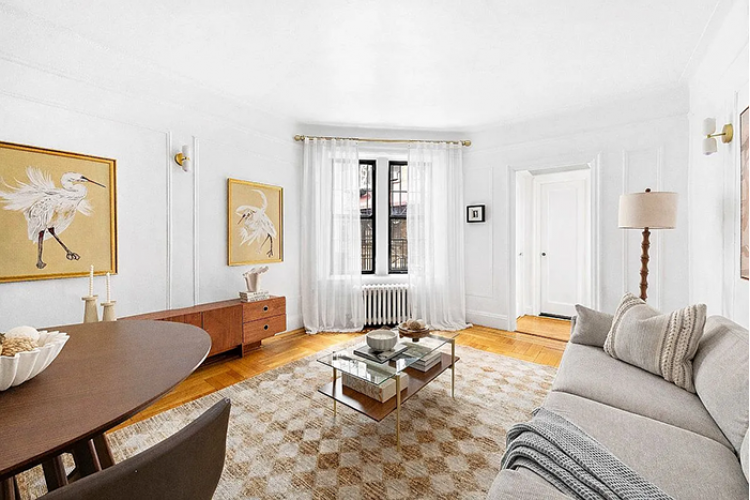
Recently, a longtime client in the United States contacted me to help his son select a suitable apartment in Manhattan, New York. The client identified a unit on East 4th Street and asked me to evaluate it from a Feng Shui perspective to determine if it was worth purchasing.
After detailed analysis, my conclusion was clear: this apartment has numerous issues and is absolutely unsuitable. Ultimately, I recommended a nearby property with superior Feng Shui and practical conditions. This article shares this case study from Feng Shui perspective, explaining why this Manhattan apartment is not recommended for purchase.
East Village Community Feng Shui Pros & Cons: Vibrant & Convenient but Overly Dense
This apartment is located in Manhattan's East Village. The neighborhood has a rich history with excellent amenities—restaurants, supermarkets, coffee shops, and entertainment venues are all conveniently nearby, making it highly appealing for young professionals seeking a vibrant urban lifestyle.
However, from both Feng Shui and livability perspectives, the area has several concerns: high population density, small living spaces, narrow streets, and strong commercial atmosphere. Many online reviews also note significant noise pollution during evenings and weekends, making true peace and quiet elusive.
In Feng Shui terms, excessive crowding and noise create chaotic qi fields, hindering mental calm and emotional stability. This negatively impacts sleep quality, mood regulation, and long-term health. When selecting urban apartments, convenience must be balanced with whether the energy feels overly turbulent.
Building Exterior Analysis: Narrow Ming Tang, Aging Structure with Declining Qi
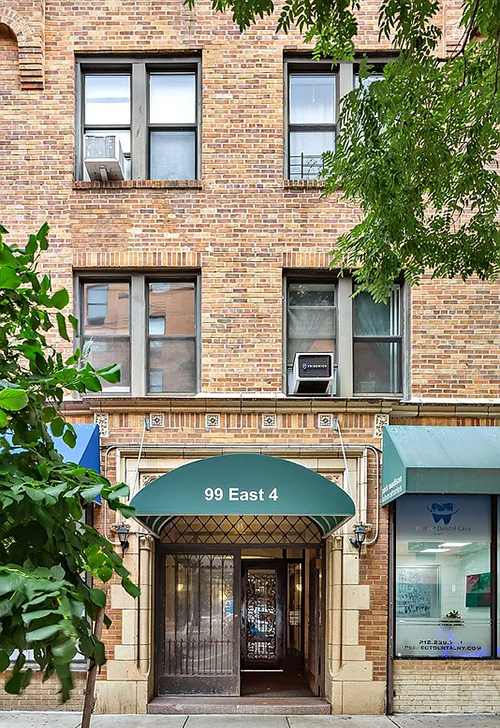
Let's start with the building's exterior and external environment (wai ju). This building sits in a side alley off the main road, with its ming tang (open space before the entrance) clearly too narrow. The distance to the opposing building is very close, creating a sense of compression.
A narrow ming tang means qi cannot gather and settle smoothly before the entrance, making it difficult for wealth, relationships, and opportunities to accumulate and stay. Residents often experience "qi that comes quickly also leaves quickly," hindering long-term prosperity.
Built in 1928, this is a Period 4 (Xia Yuan Si Yun) building in Feng Shui terms. In 2026 during Period 9 (Jiu Yun), such aging structures are in a state of clear qi decline. Generally, declining qi buildings offer less support for living prosperity compared to buildings in their prosperous periods.
That said, the star 4 and star 9 have prosperous interaction. With proper renovation and layout improvements, these older buildings can still be beneficial. However, the key condition is: the external and internal environments cannot both be problematic. Unfortunately, this apartment fails on both fronts.
Building Orientation & Flying Star Pattern: Period 9 Prosperity Star at Facing Direction is a Rare Positive
The building itself is a row of connected structures, tightly flanked on both sides by neighboring buildings with no clear "mountain support" (reliance), lacking stability in Feng Shui terms. This slightly deducts from career and family foundation strength.
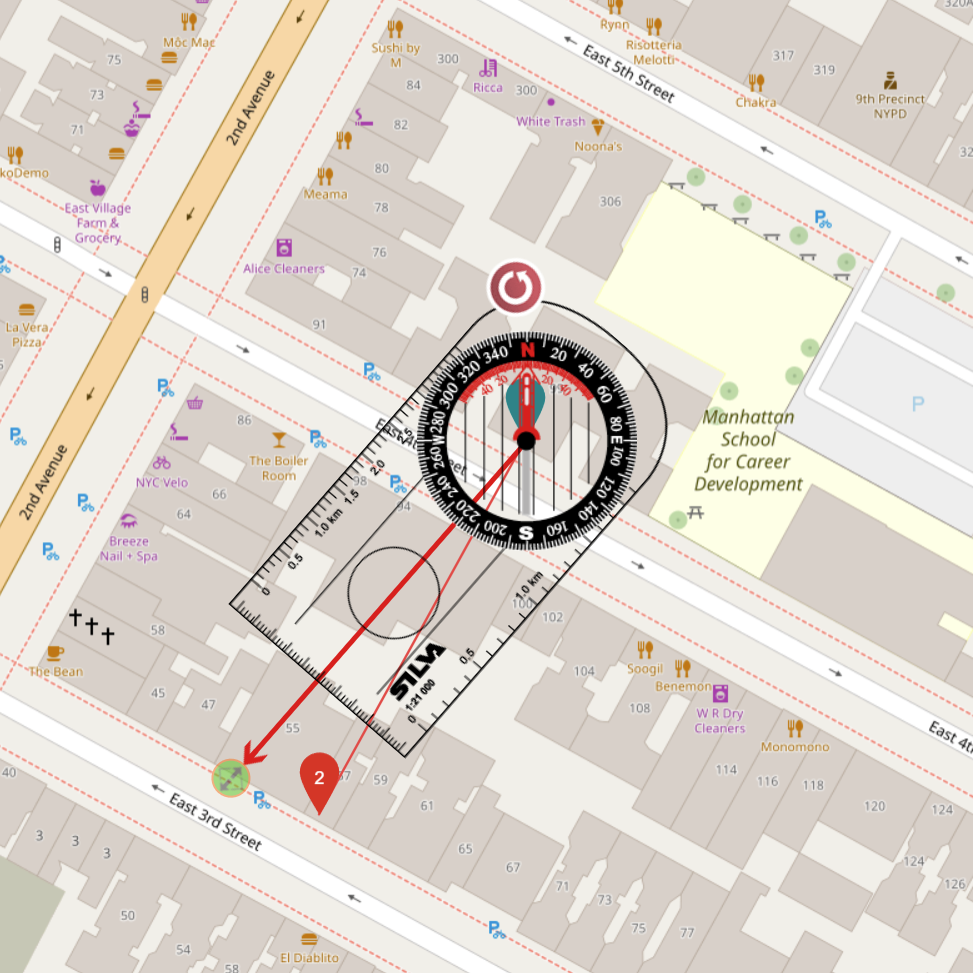
The main entrance faces southwest, measuring approximately 208.65 degrees using true north, classified as sitting Chou facing Wei. In Period 9, this creates a prosperity star at facing direction pattern—the one redeeming quality that supports overall wealth qi and outward development opportunities.
Unfortunately, this "single advantage cannot offset multiple fatal flaws." Looking only at door orientation might seem acceptable, but property selection requires comprehensive evaluation of building age, external environment, internal layout, floor plan, lighting, noise, and costs.
Floor Plan Structure: Irregular Layout Creates "Split" Qi Field
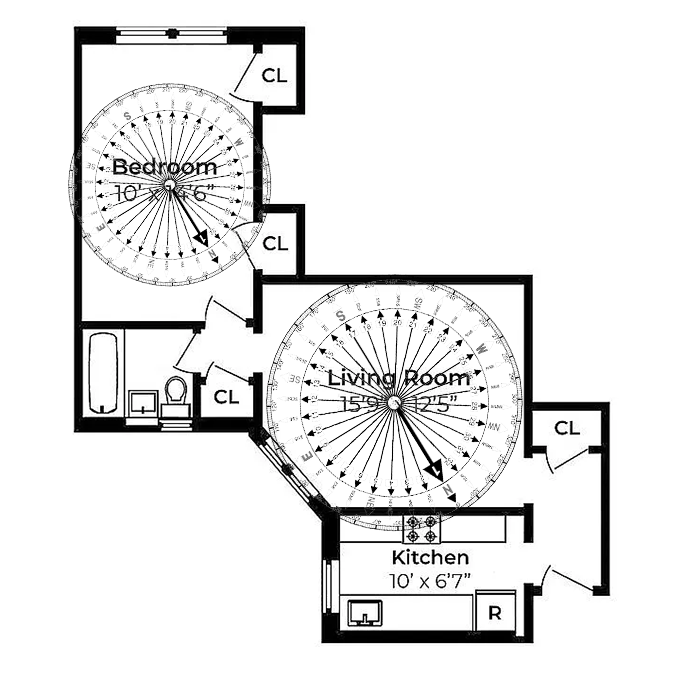
Now examining the interior floor plan. This apartment has a highly irregular shape: the entrance and living room form one "block," while the bedroom protrudes as another separate "block" with no natural flow transition between them.
In Feng Shui, ideal floor plans should be close to square/rectangular, allowing qi to circulate evenly throughout. Highly irregular shapes easily cause qi fragmentation and poor energy accumulation. Long-term residents often feel restless, unsettled, and unable to truly relax.
Such "pieced-together" layouts commonly result in: certain rooms feeling particularly cold/empty, occupants experiencing declining health after moving in, or family members becoming disconnected and lacking unity. When possible, these should be avoided.
Natural Light & Illumination: Few Windows + Poor Lighting Creates Heavy Yin Energy
The apartment has only one east-facing window in the living room (at an angle) plus another bedroom window, making natural light sources clearly insufficient. A bigger issue: the living room window faces an indented internal courtyard (tian jing) structure within the building, which itself has poor external form.
From a Feng Shui perspective, good windows should receive bright, refreshing qi, not face cramped, dim, or oppressive spaces. Narrow/deep courtyards easily create "qi stagnation and light blockage."
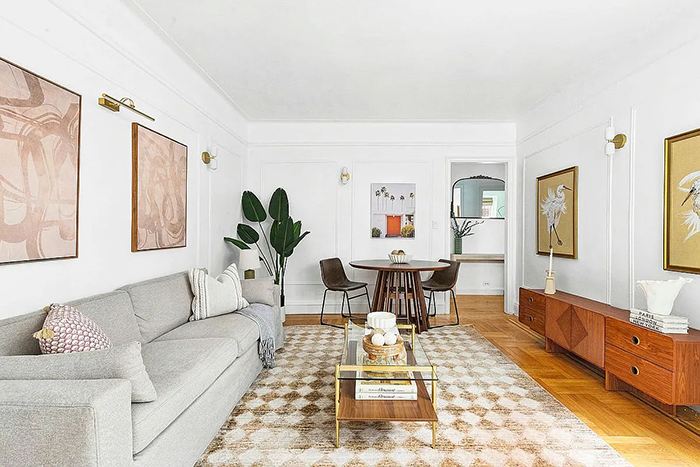
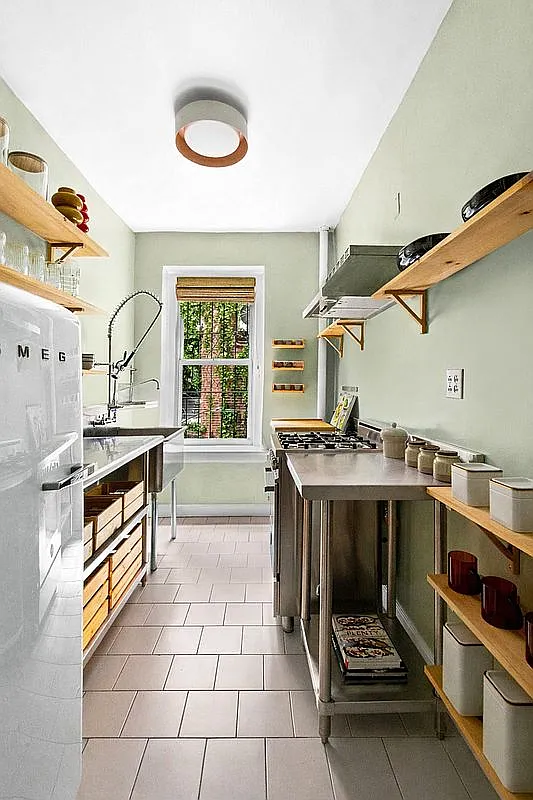
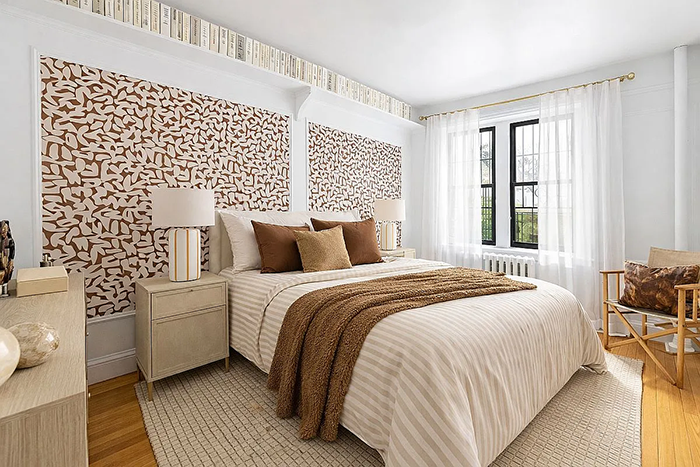
Additionally, aside from the kitchen, the apartment has almost no ceiling lighting. Living room and bedroom rely only on wall sconces. Combined with few windows and poor window-to-floor ratio, evening lighting is dim, creating a heavy yin qi pattern in Feng Shui terms.
Long-term living in poorly lit, dimly illuminated spaces leads to lethargy, low mood, and lack of motivation. Those with weaker constitutions or sensitivity to environment are particularly affected.
Maintenance Fees & Costs: Poor Feng Shui + Exceptionally High Expenses
Beyond Feng Shui concerns, this apartment's maintenance fees are also quite high, exceeding many nearby buildings. Likely due to the aging structure and higher upkeep costs. For owner-occupiers or investors, this represents significant long-term expense.
When a property already has mediocre-to-poor Feng Shui conditions yet demands above-average maintenance fees, the long-term Feng Shui returns versus actual costs are completely disproportionate—clearly not a wise choice.
When selecting properties, I always emphasize balancing "Feng Shui + practical conditions": good energy field and layout, combined with reasonable price, fees, and location risk. This ensures comfortable living and strong resale potential.
Overall Assessment: Why We Don't Recommend Buying This Manhattan Apartment
Considering all factors: aging building with declining qi, narrow ming tang, compressed external environment, irregular floor plan, insufficient lighting, poor courtyard form, noise pollution, and high maintenance fees—this apartment fails both Feng Shui and value-for-money tests.
Feng Shui evaluation isn't about isolated points but overall configuration: minor imperfections may be tolerable, but multiple critical issues create cumulative negative effects on health, luck, and prosperity.
Therefore, after thorough assessment, I clearly advised the client: do not purchase. He accepted the recommendation and selected a nearby alternative with more open external form, rectangular layout, better lighting, and superior overall value.
If You're House Hunting Overseas: Key Reminders for You
Whether in New York, London, Vancouver, or anywhere worldwide, if you want Feng Shui guidance when property hunting, consider these key points:
- ✅ Prioritize square/rectangular building shapes with open ming tang
- ✅ Check neighborhood atmosphere: avoid overly noisy, crowded, or dim areas
- ✅ Ensure good natural light & ventilation; avoid few windows or oppressive courtyards
- ✅ Factor in building age, maintenance fees, and future appreciation potential
If you or your family are preparing for overseas property purchase and unsure about your preferred unit?
Consider a professional online Feng Shui survey before deciding—for added peace of mind on your major life investment.
Leave a Comment